You do everything right.
You double cleanse. You layer your serums in the right order. You use the moisturizer everyone swears by. You’ve saved the skincare routines, watched the tutorials, and probably done more patch tests than you can count. And yet, your skin still doesn’t seem completely happy.
You still wake up with the occasional breakout. Your complexion looks dull by two in the afternoon. Some mornings, your face looks a little puffier than usual. Your skin sometimes feels dry, irritated, or simply off and you can’t quite figure out why. Maybe the answer isn’t another product but worth looking at what happens before your skincare routine even begins.
Because your skin doesn’t exist separately from the rest of your body. It is a living organ, and its condition is influenced by the nutrients, fluids, and dietary patterns that support the body from within. That doesn’t mean every breakout is caused by food, or that one “bad” meal will suddenly ruin your skin. It means something more useful that Your diet can be part of the picture. And once you start paying attention to that connection, your skin becomes less of a mystery.
Your Skin Is More Than a Skincare Problem
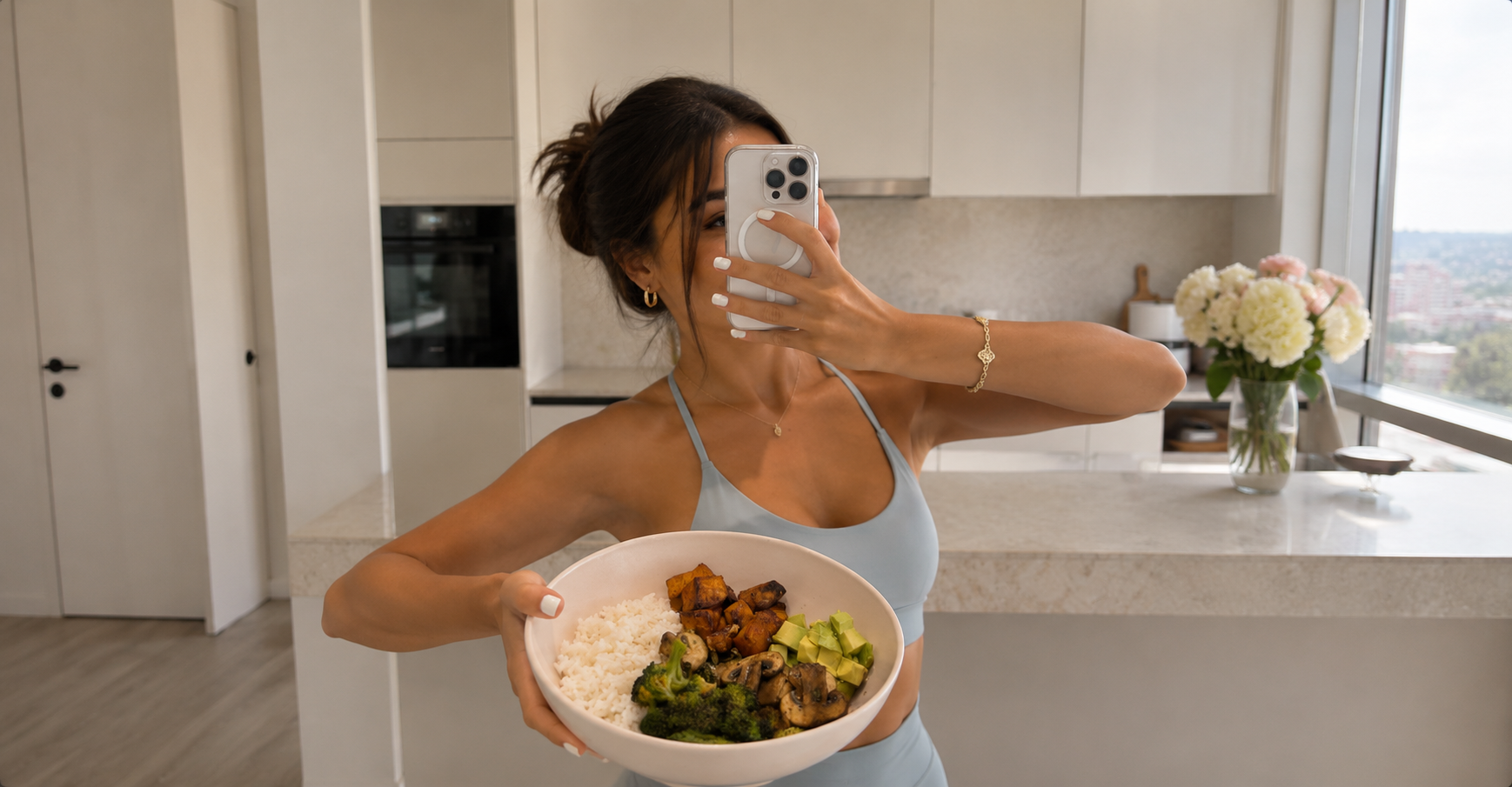
Healthy skin needs more than topical products. It needs the building blocks required for repair, protection, hydration, and renewal: protein, healthy fats, vitamins, minerals, antioxidants, and enough fluid. Antioxidants from colorful fruits and vegetables help the body manage oxidative stress. Protein provides amino acids needed to maintain and repair tissues. Healthy fats, particularly omega-3 fatty acids, support the skin’s lipid barrier. And adequate hydration helps the skin maintain its normal moisture balance. Think of your skincare routine as what you give your skin from the outside.
Your diet is part of what supports it from the inside.
The goal isn’t to eat perfectly. It’s to create a pattern of nourishment that gives your skin what it needs consistently.
1. Sugar: Breakouts + Collagen Damage
A consistently high intake of refined sugar and carbohydrates can contribute to repeated blood sugar and insulin spikes, which may increase oil production and contribute to acne in susceptible individuals. Sugar also matters for skin aging through a process called glycation. Glycation occurs when sugar molecules bind to proteins such as collagen and elastin. Over time, this can affect the structure and function of these proteins, potentially contributing to reduced firmness and the visible signs of premature aging. This doesn’t mean you need to eliminate sugar completely. The bigger question is how often highly sugary foods make up your diet. Think pattern, not perfection.
2. Dairy: Potential Acne Trigger
Dairy is more complicated than the internet often makes it sound. Milk, cheese, and yogurt provide important nutrients, but some people may notice that certain dairy products coincide with increased acne or inflammation. The response isn’t universal. If you repeatedly notice breakouts after periods of higher dairy consumption, especially when the pattern happens consistently, it may be worth paying attention to. The goal isn’t to immediately eliminate an entire food group but to understand your own response.
3. Processed Foods: Inflammation + Irritation
Highly processed foods can become a problem when they consistently replace nutrient-dense whole foods in your diet. Many processed foods are high in refined carbohydrates, added sugars, and certain fats while providing fewer of the vitamins, minerals, antioxidants, and other nutrients your body needs. A diet dominated by these foods may contribute to an inflammatory environment and can be associated with breakouts, irritation, and other skin concerns. One processed meal isn’t the problem. A consistently low-quality dietary pattern is.
4. Refined Carbs: Oiliness + Clogged Pores
White bread, pastries, sugary cereals, sweetened drinks, and other highly refined carbohydrates can be rapidly digested, causing blood sugar and insulin levels to rise quickly. For some people, these metabolic changes may contribute to increased sebum production and acne. That can translate into skin that feels oilier, looks shinier, or becomes more prone to congestion. Instead of eliminating carbohydrates, consider their quality and context. Whole grains, oats, brown rice, beans, vegetables, and other minimally processed carbohydrate sources provide more nutritional value and often more fiber than their highly refined counterparts.
5. Fried Foods: Inflammation + Lower Nutrient Density
Fried foods aren’t automatically “bad for your skin.” But when fried and highly processed foods make up a large portion of your diet, they can displace foods that provide the nutrients your skin actually needs. A diet heavily centered around processed foods may also provide less antioxidant-rich produce, essential fatty acids, vitamins, minerals, and other nutrients. There is an important distinction between avoiding fat and choosing nourishing fats. Your skin needs healthy fats. The goal is balance.
6. Low Omega-3: Dryness + Weaker Skin Barrier
Not all fats are created equal. Omega-3 fatty acids are important for maintaining the skin’s lipid barrier and supporting a balanced inflammatory response. When your diet consistently lacks healthy sources of essential fatty acids, your skin may be more prone to dryness, irritation, and reduced resilience. Good sources include:
- Salmon
- Sardines
- Mackerel
- Chia seeds
- Flaxseeds
- Walnuts
Think of your skin barrier as part of your body’s protective system. A well-supported barrier helps your skin retain moisture and better tolerate everyday environmental stressors.
7. Low Antioxidants: Oxidative Stress + Premature Aging
Your skin is constantly exposed to environmental stressors, including UV radiation and pollution. This contributes to oxidative stress, which can damage cells and accelerate processes associated with skin aging. Antioxidants from fruits, vegetables, nuts, and seeds help support the body’s defenses against oxidative stress. This is why eating a variety of colorful plant foods can be more meaningful than searching for one “superfood.”
Think: berries, leafy greens, citrus fruits, tomatoes, carrots, peppers, nuts, and seeds.
The more diverse your diet, the wider the range of nutrients you’re giving your body.
8. Dehydration → Dull + Less Supple
Sometimes the simplest explanation gets overlooked. Water is essential for normal bodily function, including maintaining the skin’s moisture balance. When you’re consistently under-hydrated, your skin can appear less supple and more dull. But hydration isn’t about forcing yourself to drink an extreme amount of water. It’s about making adequate fluid intake part of your daily routine.
You can also get water from foods such as:
- Cucumber
- Watermelon
- Oranges
- Berries
- Other fruits and vegetables
And remember: Hydration supports healthy skin. It doesn’t replace moisturizer or sunscreen. Good skincare and good hydration work on different parts of the equation.
9. Low Protein: Poorer Skin Repair + Structure
Your skin is constantly renewing itself. That process requires building blocks and protein provides many of the amino acids your body needs to maintain and repair tissues. Protein also plays an important role in producing structural proteins such as collagen and elastin.
Good sources include:
- Eggs
- Fish
- Chicken
- Lean meat
- Tofu
- Tempeh
- Beans
- Lentils
You don’t need to obsess over protein solely for the sake of your skin. Simply making sure your diet contains adequate, varied protein supports your body’s broader nutritional needs and your skin is part of that system. Beautiful skin needs building blocks, not just beauty products.
Also read: Less Is More: The Minimalist Skincare Approach That Actually Works
10. Low Vitamin C: Reduced Collagen Support
Vitamin C isn’t only something you associate with immunity. Your body also needs vitamin C for collagen synthesis and normal tissue repair. Collagen provides structural support for the skin, which is why adequate vitamin C intake matters for maintaining healthy skin structure.
Food sources include:
- Oranges and other citrus fruits
- Kiwi
- Berries
- Tomatoes
- Bell peppers
- Other fruits and vegetables
You don’t need an exotic supplement to get started. Sometimes, the most effective nutritional upgrade is simply adding more colorful produce to your everyday meals. Feed the process your skin is already performing naturally.
11. Low Vitamin E: Less Antioxidant Protection
Vitamin E is another important antioxidant nutrient. It helps protect cells from oxidative stress and works alongside other nutrients in the body’s antioxidant defense system.
Food sources include:
- Almonds
- Sunflower seeds
- Avocado
- Spinach
- Other nuts, seeds, and leafy greens
Again, this isn’t about finding one food that magically transforms your skin. It’s about creating a diet that consistently provides a broad range of nutrients.
The Bigger Picture
Notice something? Most of these points aren’t actually telling you to remove foods. They’re telling you to add more nutritional support. More colorful vegetables. More fruit. Adequate protein. Healthy fats. Omega-3s. Enough water. A greater variety of whole foods. And fewer situations where highly processed, sugary foods consistently dominate your diet. That’s a much more sustainable approach than turning skincare into a list of forbidden foods. Because the goal isn’t to eat perfectly but to eat in a way that consistently supports your body including your skin.
And food is only one part of the equation. Hormones, genetics, stress, sleep, medications, environmental exposure, skincare, and underlying skin conditions can all influence how your skin looks and behaves. So if your skin doesn’t suddenly become perfect after changing your diet, that doesn’t mean you failed. It means skin is complicated. And that’s exactly why understanding your own patterns matters.
Where the Glow Up Actually Begins
Here’s where things get interesting. You probably remember your breakout. But do you remember what happened three days before it? How much water did you drink? How well did you sleep? What did you eat? Were you stressed? Did you consume more sugar than usual? More dairy? More processed food? Or maybe you actually ate well but barely drank any water and slept five hours a night.
Our brains are not particularly good at remembering these connections. That’s why tracking can be useful. Not because you need to micromanage every bite. But because patterns become much easier to understand when you can actually see them. Give yourself a few weeks. Observe. Write things down. Look for repetition. Then make small, informed adjustments. That’s a much more empowering approach than following a random list of “foods that cause acne” from the internet.
Eat well. Hydrate. Observe. Track. Adjust.
And if you’re ready to make that process a little more intentional, that’s exactly what the The Glow Up Journal Planner is for. It gives you a simple space to track what you eat, how you feel, your daily habits, and what your skin is telling you day by day. Not another food diary. Not another set of rules. A place to notice your patterns, understand your skin, and make choices based on what you actually observe. Because once you can see the pattern clearly, you’re no longer guessing. You’re learning your skin. And that’s where the real glow-up begins.